

Risk assessment
Assessing the risks workers are exposed to is essential for preventing accidents and protecting staff health.
Find out moreA management system is a set of rules adopted by a company to achieve specific objectives.

A management system is a set of rules a company adopts to achieve specific objectives. These include controlling business activities through periodic audits to ensure the rules are followed. A crucial aspect is official certification of the system, which demonstrates the company’s seriousness and reliability.
Another key objective is consistently meeting customer needs, a decisive factor in today’s competitive business world. A management system must also aim for continual improvement of business performance, always seeking to optimise processes and increase efficiency.
Finally, an effective management system lets a company demonstrate to supervisory bodies and prospective customers that it can keep its commitments, building trust and credibility in the market, especially in terms of regulatory compliance. In short, a management system is not just a set of rules but an essential strategic tool for a company's success and growth.

Setting up a management system enables organisations to optimise the use of resources, reduce production costs, achieve their goals and maintain a high quality standard for their products or services, increasing customer satisfaction. The system promotes a process-based approach to developing, implementing and improving the effectiveness of a quality management system in order to meet customer requirements.
The ISO 9001 standard does not prescribe a specific model for the quality management system, but encourages companies to make the best use of their resources to achieve their objectives.
Implementing a Quality Management System brings a range of opportunities: greater visibility and transparency in the market; meeting customer requirements; the chance to take part in public tenders that require ISO 9001 certification; cost control and less waste; higher productivity and more effective internal processes with fewer inefficiencies; a better ability to meet customer needs through accurate control of the business; clearly defined responsibilities and career paths; a process-oriented organisational model based on sharing experience for continuous improvement; and integration with other management systems such as ISO 45001, ISO 14001, ISO 50001 and ISO 27001.

The standard establishes the Environmental Management System (EMS) as a key part of business management, designed to manage environmental aspects and ensure legal compliance. SICURMAS Srl guides companies in implementing an effective EMS in line with UNI EN ISO 14001, taking into account the company's environmental policy, its activities, products and services, and its operating conditions. We are committed to providing the tools to assess and validate an EMS, both internally and externally, through targeted audits.
Implementing an EMS brings many benefits. It enhances the company’s image by demonstrating its commitment to environmental protection, manages supply-chain risks by preventing disruption, meets customer expectations on environmental responsibility and makes it easier to take part in public tenders that require specific certifications.
Adopting it cuts operating costs by making better use of resources and minimising waste, emissions and energy costs. It can also lower insurance premiums thanks to reduced environmental risk. It also contributes to environmental protection and the sustainable use of resources, delivering financial savings and advantages when obtaining permits.
In short, an EMS not only strengthens a company’s environmental sustainability but also offers strategic advantages in today’s business landscape.

OHSAS 18001 aims to promote good practice in occupational health and safety. It enables organisations to develop policies, set objectives and improve performance in this area, ensuring compliance with its standards. The system reduces accidents and occupational illnesses, and can be applied to organisations of any type and size, adapting to different geographical, cultural and social conditions.
The resulting opportunities include an enhanced corporate image, better risk management across the supply chain, meeting customer requirements and eligibility for public tenders that require this certification. Implementing OHSAS 18001 reduces risks and management costs while improving working conditions and workers’ health and safety, as well as lowering INAIL (Italian workplace accident insurance) premiums.
It also helps protect the working environment and promotes responsible use of resources, delivering financial savings and boosting worker motivation and engagement. It provides effective monitoring and control of legal obligations, reducing risks for employees and other stakeholders. Finally, linked to the Organisational Model under Legislative Decree 231/01, the Occupational Health and Safety Management System addresses companies’ administrative and criminal liability for offences relating to workers’ health and safety.
Assessing the risks workers are exposed to is essential for preventing accidents and protecting staff health.
Find out more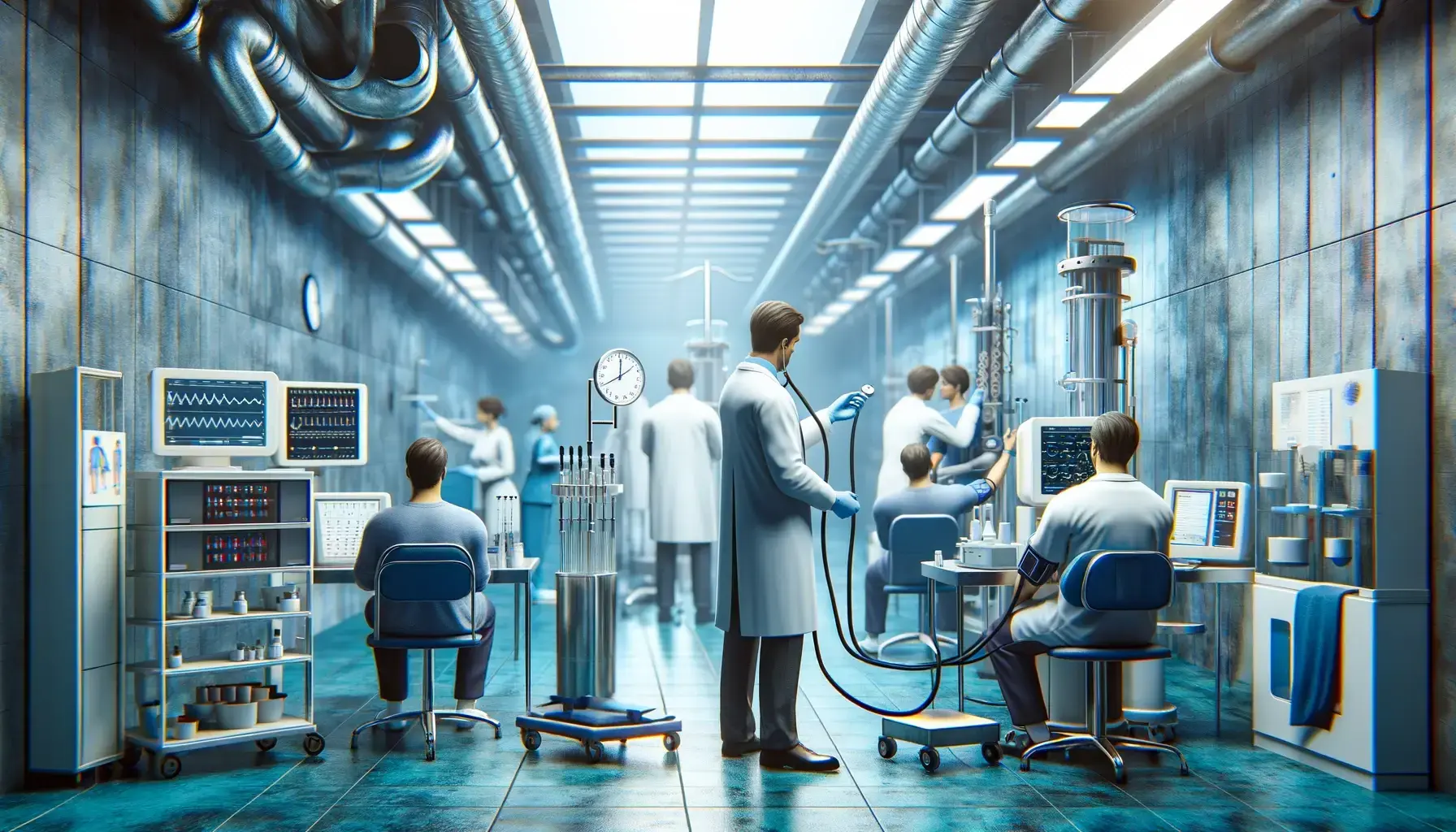
Sicurmas works closely with employers to assess whether health surveillance needs to be introduced in the company,…
Find out more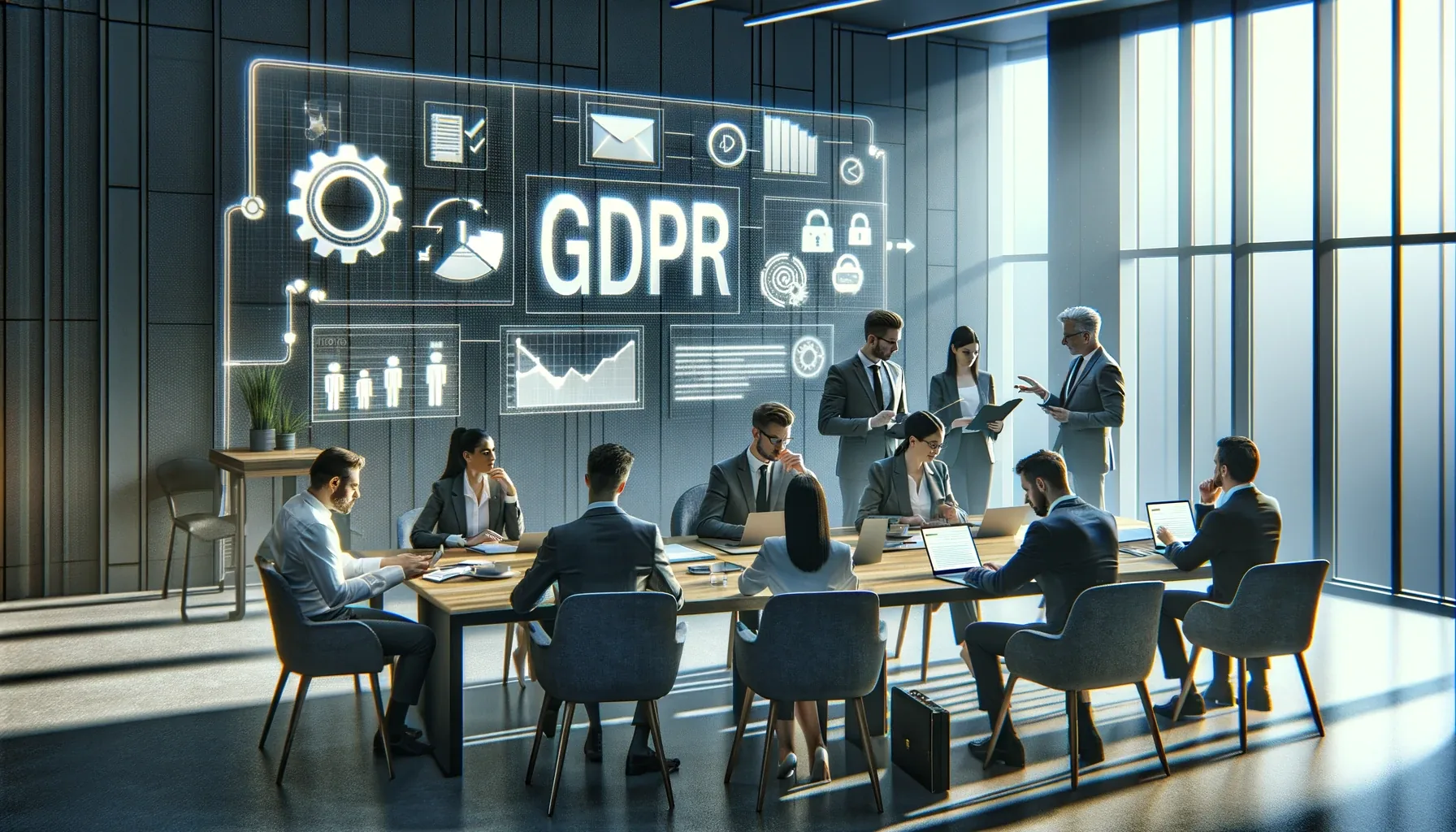
On 25 May 2018, Regulation (EU) 2016/679 (GDPR) came into force. Its objectives and new features include:
Find out more